
Why Consider Virtual Therapy for Mental Health
In recent years, virtual therapy has emerged as a powerful tool in the field of mental health. As more people seek convenient and accessible ways to address their mental health needs, online therapy has gained significant popularity. This article explores the various benefits of virtual therapy and how it can be an effective alternative to traditional face-to-face counseling.
Virtual therapy, also known as online therapy or tele-health services, involves providing mental health support and counseling through digital platforms. This can include video calls, phone calls, chat sessions, or even email communication between a therapist and a client. The flexibility and accessibility of virtual therapy have made it a popular choice for many individuals seeking help.
Accessibility and Convenience
One of the most significant benefits of virtual therapy is its accessibility. Traditional therapy often requires clients to travel to a physical location, which can be a barrier for those with mobility issues, busy schedules, or living in remote areas. With virtual therapy, anyone with an internet connection can access mental health support from the comfort of their own home.
Overcoming Physical Barriers
For individuals with disabilities or chronic illnesses, attending in-person therapy sessions can be challenging. Virtual therapy eliminates the need to navigate physical spaces, making it easier for these individuals to receive the help they need without added stress or discomfort.
Flexible Scheduling
Virtual therapy offers more flexibility in scheduling sessions. Many therapists provide evening or weekend appointments, accommodating clients who may have demanding work schedules or family commitments. This flexibility can lead to more consistent participation in therapy, which is crucial for progress and improvement.
Privacy and Comfort
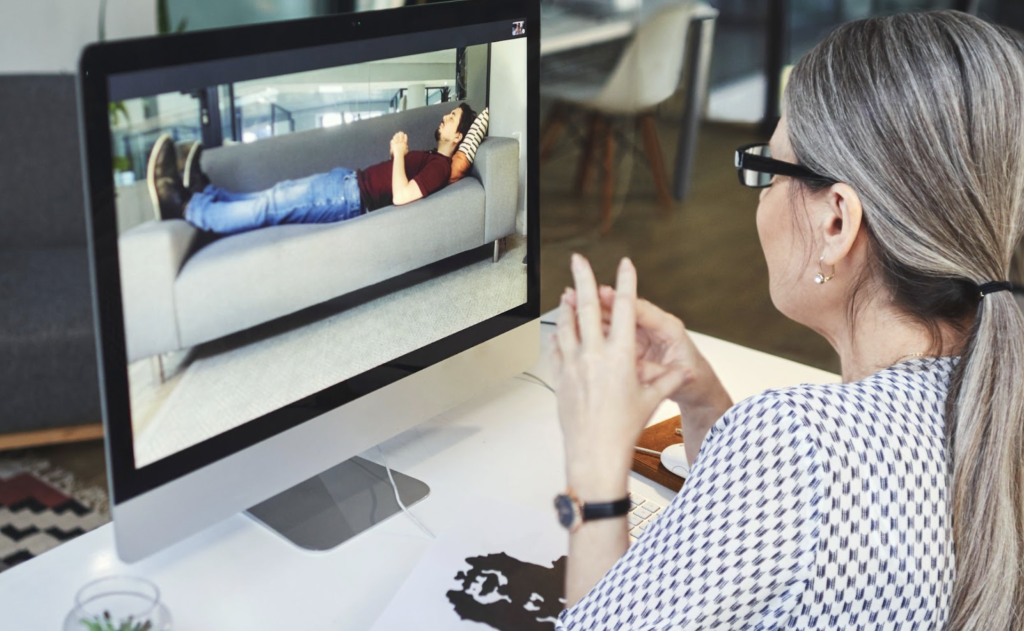
For some individuals, the thought of sitting in a therapist’s office can be intimidating or uncomfortable. Virtual therapy allows clients to engage in sessions from a familiar and private environment, which can help them feel more at ease and open during discussions.
Increased Anonymity
Virtual therapy can also offer a sense of anonymity, which is particularly beneficial for individuals who may feel stigmatized seeking mental health support. Without the fear of being seen entering a therapy office, clients may feel more secure and willing to engage in the process.
Cost-Effectiveness
In many cases, virtual therapy can be more cost-effective than traditional therapy. This affordability can make mental health support more accessible to a broader audience.
Reduced Travel Costs
By eliminating the need to travel to appointments, clients can save on transportation costs. This is especially beneficial for those who live in rural areas or have to travel long distances to see a therapist in person.
Lower Session Fees
Some therapists may charge lower fees for virtual sessions compared to in-person ones. This can be due to reduced overhead costs for the therapist, such as office rent and utilities.
Wide Range of Options
Virtual therapy opens up a world of possibilities when it comes to choosing a therapist. Clients are no longer limited to local professionals and can select from a vast pool of qualified therapists. Fash counseling offers online therapy sessions in the states of Illinois and Arizona.
Finding the Right Fit
With more options available, clients have a better chance of finding a therapist who specializes in their specific needs or resonates with them on a personal level. This can lead to more effective therapy outcomes and higher satisfaction.
Specialized Services
Virtual therapy platforms often offer a variety of specialized services and therapeutic approaches. Whether it’s cognitive-behavioral therapy, mindfulness practices, or trauma-focused therapy, clients can find a therapist who aligns with their preferred method of treatment.
Effectiveness and Evidence

Research has shown that virtual therapy can be just as effective as traditional face-to-face therapy for many mental health issues. Studies indicate that online therapy can lead to significant improvements in symptoms of anxiety, depression, and other mental health disorders.
Evidence-Based Support
Numerous studies have demonstrated that virtual therapy is a viable option for those seeking mental health support. The American Psychological Association (APA) has recognized the effectiveness of telehealth services and supports its use as a legitimate form of therapy.
Real-Life Success Stories
Many individuals have experienced positive outcomes through virtual therapy. Clients often report feeling more comfortable and engaged, leading to better therapeutic relationships and progress in their mental health journey.
Technological Advancements
As technology continues to evolve, so does the field of virtual therapy. Innovations in digital communication tools and platforms have made it easier for therapists and clients to connect effectively.
User-Friendly Platforms
Modern virtual therapy platforms are designed to be user-friendly, ensuring that clients can navigate them with ease. Features such as secure video calls, instant messaging, and digital resources enhance the overall therapy experience.
Continuous Improvement
The field of telehealth is constantly evolving, with ongoing research and development aimed at improving the quality and effectiveness of virtual therapy services. This commitment to innovation ensures that clients receive the best possible care and support.
The Virtual Therapy Revolution Is Here To Stay
Virtual therapy is revolutionizing the way mental health services are delivered. Its accessibility, convenience, and effectiveness make it an attractive option for many individuals seeking support. As more people embrace online therapy, it is crucial to continue exploring and understanding its benefits to ensure that everyone can access the mental health care they need.
Virtual therapy provides a flexible, cost-effective, and accessible solution for those seeking mental health support. With technological advancements and a wide range of options, it is a valuable tool in promoting mental well-being and improving the lives of countless individuals.